When homeowners think about chimney maintenance, they often focus on fireplace safety, smoke ventilation, or preventing visible brick damage. However, one of the least discussed consequences of poor chimney maintenance is its impact on attic moisture conditions. Chimneys pass directly through roofing systems and attic spaces, making them closely connected to the overall health of the home’s ventilation and moisture control systems. When chimney structures begin to deteriorate, small gaps, cracks, or flashing failures can quietly allow moisture into hidden parts of the attic. Because these issues often develop gradually, the damage may remain unnoticed for long periods while humidity and water intrusion continue affecting insulation, wood framing, and surrounding roofing materials.
How Chimney Deterioration Allows Moisture Inside
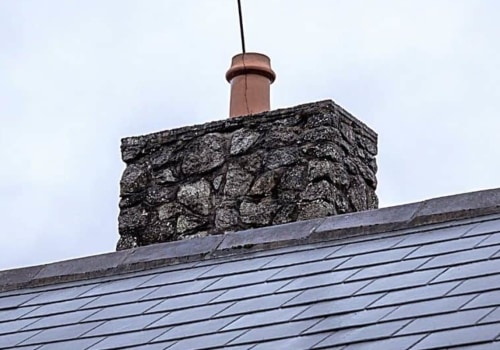
Over time, chimneys are exposed to rain, temperature changes, wind, and seasonal expansion and contraction. As masonry ages, mortar joints may weaken and chimney caps can crack or loosen. Flashing around the chimney base may also separate from roofing materials, creating small entry points for water during storms. Even minor gaps around a chimney can allow moisture to seep into attic spaces where ventilation is limited. Unlike major roof leaks that produce obvious ceiling stains, chimney-related moisture problems often remain hidden behind insulation or beneath roof decking. This slow intrusion creates damp conditions that may not become visible until mold, mildew, or wood deterioration has already begun spreading through the attic structure.
Why Attic Moisture Creates Larger Structural Problems
Attics are designed to maintain balanced airflow and stable moisture levels throughout the year. When chimney-related leaks disrupt these conditions, excess humidity can quickly build up inside enclosed spaces. Damp insulation loses efficiency, wooden framing may begin absorbing moisture, and roof decking can weaken over time. In colder climates, trapped moisture may also contribute to ice dam formation during winter months, placing additional stress on roofing systems. Roofing professionals frequently identify chimney areas as high-risk points for water intrusion because they combine multiple vulnerable components in one location. Companies such as A1 Roofing Services understand that chimney maintenance plays an important role in protecting attic environments from long-term moisture-related deterioration.
The Hidden Effects on Indoor Air Quality
Poor attic moisture conditions caused by chimney problems can eventually affect indoor air quality throughout the home. Mold spores and mildew growth originating in damp attic spaces may circulate through ventilation systems and enter living areas below. Homeowners may notice musty odors, increased allergy symptoms, or unexplained humidity problems without realizing the source originates near the chimney structure. In some cases, condensation around chimney areas can also stain ceilings or create visible discoloration on upper-level walls. Because the moisture often develops slowly, these warning signs are commonly mistaken for general aging rather than indicators of a hidden roofing or chimney issue. Early detection is important because prolonged exposure to damp attic conditions can lead to more extensive structural repairs later.
Why Flashing and Ventilation Matter
One of the most critical components protecting attic spaces around chimneys is properly installed flashing. Flashing creates a sealed transition between the chimney structure and roofing materials, helping direct water away from vulnerable areas. If flashing becomes damaged or improperly installed, rainwater can easily penetrate beneath shingles and into attic cavities. Roofing professionals often inspect chimney flashing during routine roof evaluations because it is one of the most common sources of hidden moisture intrusion. Adequate attic ventilation also plays a major role in reducing condensation buildup near chimneys, especially during colder seasons when temperature differences increase moisture accumulation risks.
Preventive Maintenance Protects the Entire Roofing System
Regular chimney inspections and roof maintenance help prevent small moisture issues from becoming major attic problems. Replacing damaged flashing, repairing mortar joints, cleaning chimney caps, and addressing roof vulnerabilities early can significantly reduce long-term structural risks. Homeowners who maintain both their roofing and chimney systems together often experience better moisture control, improved attic ventilation, and fewer hidden repair issues over time. By understanding the connection between chimney condition and attic health, property owners can better protect their homes from the subtle but damaging effects of long-term moisture intrusion.