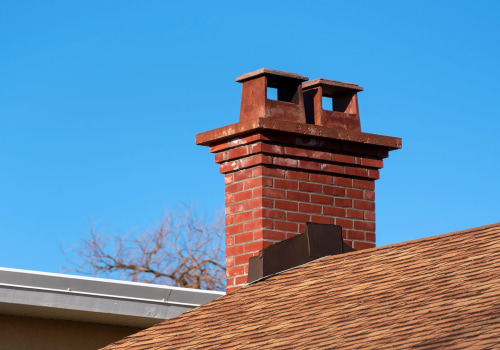
Chimneys are often seen as charming architectural features that add character and warmth to a home, but as they age, they can become much more than decorative elements. Years of exposure to rain, wind, temperature fluctuations, and seasonal weather gradually affect masonry, mortar joints, flashing, and structural connections. Small cracks or loose bricks may initially appear to be cosmetic issues, yet they can indicate underlying deterioration that, if ignored, may compromise both the chimney and adjacent portions of the home. Because chimneys extend above the roofline and are continuously exposed to the elements, they are particularly vulnerable to moisture intrusion and freeze-thaw cycles that accelerate wear over time. During structural home assessments, evaluating the condition of an aging chimney helps identify potential problems before they develop into more significant repairs affecting the roof, walls, or supporting structural components.
Structural Performance Depends on a Stable Chimney
Although chimneys are separate from the primary framing system, they still interact with the structure of the home in important ways. Masonry chimneys are heavy and require stable support from the foundation below. Over time, foundation settlement, soil movement, or deterioration of supporting materials can cause chimneys to lean, separate from the house, or develop significant cracking. Even relatively small shifts may create pathways for water intrusion or reduce the effectiveness of flashing where the chimney meets the roof. Structural movement can also place additional stress on surrounding framing, roofing materials, and interior finishes. During a comprehensive assessment, inspectors evaluate whether cracks represent normal aging or signs of more serious structural movement requiring further investigation. Identifying these issues early allows homeowners to address the root cause before more extensive structural damage occurs.
Moisture and Masonry Deterioration Require Careful Evaluation
One of the greatest threats to aging chimneys is prolonged moisture exposure. Damaged mortar joints, deteriorated crowns, missing caps, or failed flashing allow water to penetrate masonry materials, where repeated wetting and drying gradually weaken the structure. In colder climates, freeze-thaw cycles can cause trapped moisture to expand, leading to cracked bricks, loose mortar, and surface spalling. These conditions not only affect the chimney itself but may also contribute to roof leaks, damaged attic framing, mold growth, or deterioration of nearby structural materials. A qualified home inspection specialist can identify many of these warning signs during a routine assessment, helping homeowners understand whether maintenance, repair, or additional structural evaluation may be appropriate. Early intervention often prevents relatively minor defects from becoming expensive restoration projects involving both the chimney and surrounding portions of the home.
Preventive Assessments Protect Long-Term Property Value
Regular structural home assessments provide valuable opportunities to evaluate aging chimneys alongside foundations, roofing systems, exterior walls, and other critical building components. Rather than focusing only on obvious damage, comprehensive inspections consider how different parts of the structure interact over time. Chimney maintenance may include repointing mortar joints, replacing damaged flashing, installing chimney caps, repairing crowns, or correcting drainage issues that contribute to deterioration. Addressing these concerns promptly helps preserve structural stability while extending the service life of the chimney and reducing the risk of water-related damage throughout the home. Homeowners who include chimney evaluations as part of routine maintenance are often better prepared to prevent costly repairs and maintain the long-term value of their property. Understanding why aging chimneys deserve attention during structural home assessments encourages a proactive approach to homeownership, where regular inspections, timely maintenance, and professional evaluation work together to protect both the safety and structural integrity of the home for many years to come.