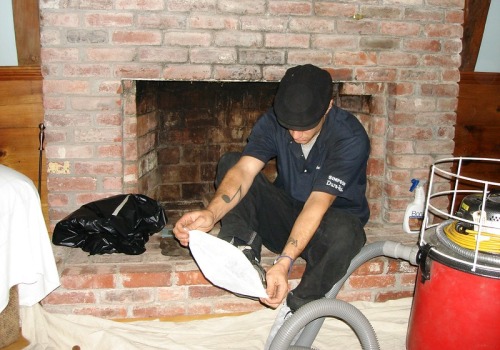
Chimney cleaning is essential for fire safety and indoor air quality, but many homeowners are surprised to find fine dust appearing in rooms far from the fireplace afterward. This happens because chimney residue is not like ordinary household dust. It is made up of extremely fine particles of soot, ash, and creosote that are lightweight and easily airborne. During cleaning, even with professional equipment, some particles inevitably escape containment. Once released, they can linger in the air for hours, slowly drifting and settling in places no one expects, including rooms on different floors or opposite sides of the home.
Airflow Carries Dust Beyond the Fireplace
One major reason post-chimney cleaning dust spreads so widely is airflow. Homes naturally circulate air through HVAC systems, open doorways, stairwells, and pressure differences between rooms. When chimney dust becomes airborne, it follows these invisible air currents. Warm air rising through staircases or vents can carry particles upward, while return vents pull dust into ductwork and redistribute it elsewhere. Even something as simple as opening a door or walking through the house can disturb the air enough to move fine particles into bedrooms, closets, and hallways that seem completely disconnected from the fireplace area.
Particle Size and Static Attraction
The microscopic size of chimney dust allows it to behave differently from heavier debris. These particles can remain suspended in the air much longer than normal dust, giving them time to travel before settling. Once they do settle, they are often drawn to surfaces through static electricity. Electronics, TV screens, lampshades, and even walls can attract and hold onto soot particles. This is why homeowners may notice dark dust on surfaces that are rarely touched or cleaned, such as the tops of shelves, picture frames, or window trim.
Furniture, Fabrics, and Hidden Surfaces
Soft surfaces are especially good at trapping chimney dust. Upholstery, curtains, rugs, and bedding can quietly collect particles without immediately showing visible residue. Over time, movement or airflow can release this dust back into the air, creating the impression that it keeps reappearing. Dust also settles in overlooked areas like behind furniture, under beds, inside closets, and along baseboards. Professional companies such as Impact Cleaning Services often explain that these hidden collection points are why post-cleaning dust can feel persistent, even when the main living areas look clean at first glance.
Why It Appears Days Later
Another frustrating aspect of post-chimney cleaning dust is that it doesn’t always show up right away. Particles can settle slowly over several days, especially as the home’s airflow patterns change with heating systems turning on or off. Activities like vacuuming, sitting on furniture, or adjusting vents can re-suspend settled dust, causing it to migrate and settle again elsewhere. This delayed movement makes it seem as though new dust is forming, when in reality it is the same fine residue continuing to redistribute.
Managing and Minimizing Post-Cleaning Dust
Understanding why chimney cleaning dust settles in unexpected places helps homeowners manage it more effectively. Using high-quality air filters, allowing dust time to settle before deep cleaning, and wiping surfaces with damp cloths rather than dry dusters can significantly reduce spread. Professional follow-up cleaning focused on air vents, fabrics, and hidden surfaces can also make a noticeable difference. While chimney maintenance is crucial, knowing how and why dust behaves afterward ensures the home stays clean, comfortable, and safe long after the job is done.