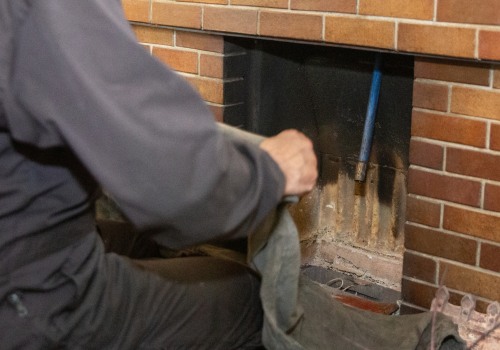
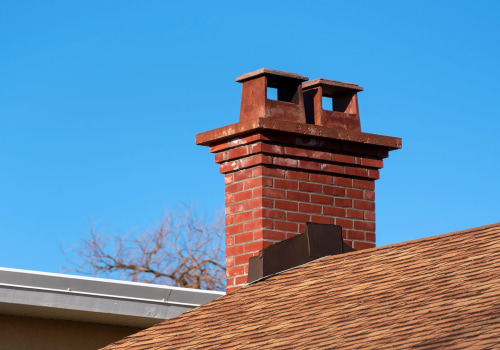
When homeowners think about chimney cleaning, they often associate the service with removing soot, creosote buildup, and other debris that can affect fireplace performance and fire safety. While these are certainly important reasons to maintain a chimney, there is another critical aspect that receives far less attention: moisture management. In reality, chimney cleaning and moisture control are closely connected. A neglected chimney can contribute to water-related problems that affect not only the chimney itself but also surrounding roofing systems, masonry structures, attic spaces, and interior living areas. Understanding this relationship helps homeowners appreciate why regular chimney maintenance plays an important role in preserving the overall health of a property.
How Moisture Enters Chimney Systems
Chimneys are constantly exposed to weather conditions, making them particularly vulnerable to moisture intrusion. Rain, snow, ice, and humidity can all affect chimney structures over time. Cracked masonry, damaged flashing, deteriorated mortar joints, and missing chimney caps can create pathways for water to enter. Once moisture penetrates the chimney system, it may become trapped within porous materials such as brick and mortar. During freeze-thaw cycles, this trapped water can expand and contract, gradually causing cracks, spalling, and structural deterioration. Routine chimney cleaning often includes inspections that help identify these vulnerabilities before extensive damage occurs.
The Connection Between Debris and Moisture Retention
Another often-overlooked issue is the role that debris plays in retaining moisture. Leaves, twigs, animal nesting materials, and accumulated creosote can restrict airflow inside the chimney. Reduced ventilation may allow moisture to remain trapped within the flue for longer periods. This damp environment can accelerate the deterioration of masonry materials while also encouraging mold growth and unpleasant odors. During professional chimney cleanings, these obstructions are removed, helping restore proper airflow and reducing the likelihood of excessive moisture accumulation within the system.
Protecting Adjacent Building Components
Moisture-related chimney issues rarely remain isolated to the chimney alone. Water intrusion around a chimney can affect roofing materials, attic insulation, ceiling finishes, and nearby framing components. Damaged flashing, in particular, is a common source of leaks that may go unnoticed until visible interior damage appears. Regular chimney inspections performed during cleaning appointments allow service professionals to evaluate surrounding components and identify signs of water infiltration early. Addressing these concerns promptly helps prevent more extensive repairs that could impact multiple areas of the home.
Supporting Broader Property Maintenance Strategies
Chimney cleaning is often most effective when viewed as part of a comprehensive property maintenance plan. Homeowners who prioritize routine inspections frequently uncover maintenance concerns that might otherwise remain hidden for years. Companies such as a construction company in Brownsburg IN often recognize the importance of evaluating interconnected building systems rather than focusing on a single component. Moisture problems discovered during chimney inspections may lead homeowners to investigate roofing, drainage, ventilation, or masonry conditions that contribute to larger property maintenance challenges. This proactive approach supports better long-term property preservation.
Preventing Costly Structural Deterioration
The financial benefits of regular chimney cleaning and moisture management are significant. Water-related damage can be expensive to repair once it affects masonry structures, framing, insulation, or interior finishes. By identifying moisture vulnerabilities early, homeowners can often make relatively minor repairs that prevent major restoration projects later. Regular maintenance also helps extend the lifespan of chimney materials, reducing the need for premature rebuilding or extensive structural repairs.
A Key Part of Moisture Control
Ultimately, chimney cleaning serves a purpose that goes far beyond maintaining fireplace efficiency and fire safety. It plays an important role in moisture management by promoting proper airflow, identifying water intrusion risks, protecting surrounding building materials, and supporting preventive maintenance efforts. By understanding the connection between chimney care and moisture control, homeowners can take a more comprehensive approach to protecting their properties. Regular chimney cleaning helps preserve structural integrity, improve long-term durability, and reduce the likelihood of costly moisture-related damage throughout the home.