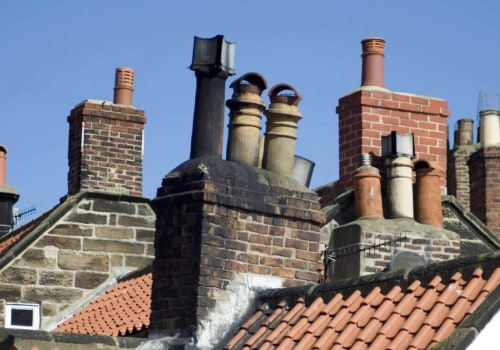
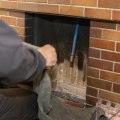
When homeowners think about water damage, they often focus on plumbing leaks, roof issues, or basement flooding, but chimneys are frequently overlooked as a potential source of hidden moisture problems. A chimney is constantly exposed to the elements, making it vulnerable to rain, humidity, and temperature fluctuations. Without proper maintenance, small cracks in the masonry or deteriorating mortar joints can allow water to seep in unnoticed. Over time, this trapped moisture can spread to surrounding structures, including walls, ceilings, and insulation, leading to costly repairs. Regular chimney cleaning plays a crucial role not only in maintaining proper ventilation but also in identifying early signs of water intrusion before they escalate into major structural concerns.
How Debris and Blockages Contribute to Moisture Problems
Chimneys that are not cleaned regularly can accumulate debris such as soot, creosote, leaves, and even animal nests. These blockages can trap moisture inside the chimney system, preventing proper airflow and drying. When moisture is unable to escape, it creates the perfect environment for mold growth and material decay. Additionally, clogged chimneys can cause water to pool around certain areas, accelerating the deterioration of bricks and liners. Professional cleaning helps remove these obstructions, allowing the chimney to function efficiently while reducing the risk of hidden water buildup that can silently damage your home over time.
The Role of Chimney Inspections in Early Detection
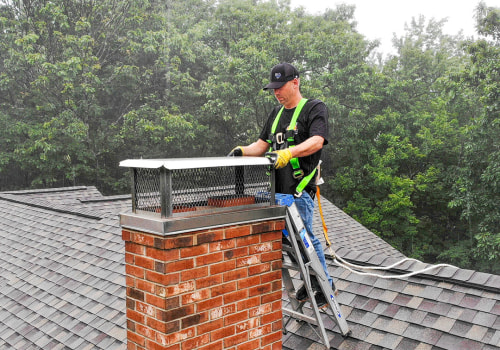
Routine chimney cleaning often includes a thorough inspection, which is key to spotting early warning signs of water damage. During these inspections, professionals check for cracked flue liners, damaged flashing, and worn-out chimney caps—all of which can allow water to enter. Addressing these issues early can prevent leaks from spreading to other parts of the home. Homeowners who prioritize chimney maintenance are more likely to catch these problems before they worsen, saving both time and money. In some cases, consulting experts like Baker Brothers in Arlington can also provide additional insight into how chimney-related moisture might connect with broader home water systems, ensuring a more comprehensive approach to prevention.
Structural Risks of Ignoring Chimney Maintenance
Ignoring chimney cleaning can lead to severe structural consequences. Water that penetrates the chimney can freeze and expand during colder months, causing bricks to crack and mortar to crumble—a process known as freeze-thaw damage. Over time, this weakens the entire chimney structure and can even compromise nearby roofing components. As the damage progresses, water may begin to leak into interior spaces, leading to stained walls, peeling paint, and weakened support beams. What starts as a minor issue can quickly evolve into a significant repair project if not addressed promptly.
Preventive Maintenance for Long-Term Protection
Ultimately, chimney cleaning is a simple yet highly effective preventive measure that protects your home from hidden water issues. Scheduling regular cleanings ensures that your chimney remains free of debris, properly ventilated, and structurally sound. It also provides an opportunity to address minor repairs before they turn into major problems. By incorporating chimney maintenance into your overall home care routine, you can safeguard your property against moisture damage, improve indoor air quality, and extend the lifespan of your chimney system. Taking proactive steps today can help homeowners avoid unexpected expenses and maintain a safer, more resilient living environment for years to come.