Homes that have undergone foundation repair may require additional attention before chimney cleaning begins. Even after a foundation has been stabilized, previous structural movement may have affected the chimney, fireplace, surrounding masonry, or roof connection. Before sweeping or servicing the chimney, homeowners should look for visible cracks, leaning sections, gaps, or separation between the chimney and the house. These signs do not necessarily mean the foundation problem has returned, but they can indicate areas that should be evaluated before routine maintenance continues.
Check for Cracks in Masonry and Mortar
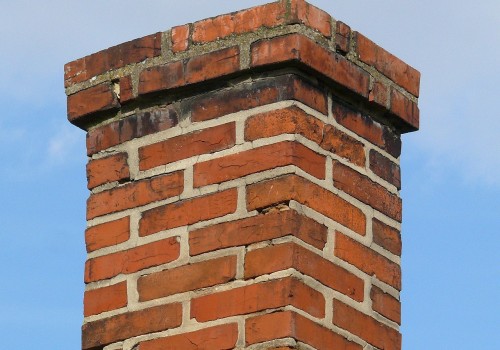
Foundation movement can sometimes place stress on brick, stone, and mortar joints. Chimneys are particularly sensitive because they are tall, rigid structures that may respond differently to settlement than the rest of the home. During chimney cleaning, previously hidden cracks can become easier to notice once soot, debris, or buildup is removed. If significant cracking or separation is present, homeowners may want to consult structural professionals such as Bats Foundation Repair to determine whether the damage could be related to foundation movement rather than ordinary masonry deterioration.
Inspect the Chimney’s Alignment
A chimney should remain vertically stable and securely connected to the surrounding structure. Homes with a history of foundation repair should be monitored for any noticeable leaning or shifting. An experienced chimney professional can look for changes in the flue, liner, masonry, and surrounding components that may indicate misalignment. Even minor structural changes can affect how the chimney functions, so unusual gaps or movement should be documented and evaluated rather than ignored.
Clean the Flue Regularly
Routine chimney cleaning helps remove soot, creosote, and other combustible deposits from the flue. This maintenance is important regardless of whether a home has experienced foundation problems. Homeowners who regularly use fireplaces or wood-burning appliances should follow recommended cleaning and inspection schedules. A clean flue also makes it easier for professionals to identify cracks, damaged liners, loose materials, or other conditions that may otherwise remain hidden beneath buildup.
Examine the Chimney Liner
The chimney liner helps contain heat, combustion gases, and smoke while protecting surrounding building materials. Structural movement can potentially cause cracks, gaps, or displacement in certain liner systems. During cleaning, technicians may inspect the liner using specialized tools or cameras. Damage should be addressed promptly because compromised liners can affect chimney safety and performance. Repairs should be coordinated with structural work if foundation movement appears to be contributing to the problem.
Watch for Water Intrusion
Water can damage chimney masonry and may also contribute to foundation concerns around the property. During cleaning and inspection, homeowners should look for stains, damp masonry, deteriorated mortar, or signs of leakage around the chimney flashing. Caps, crowns, flashing, and roof connections should remain in good condition to help keep water out. Exterior drainage should also direct runoff away from the foundation whenever possible.
Avoid Cosmetic Repairs Before Identifying the Cause
Repointing mortar or sealing cracks can improve appearance, but these repairs may not last if structural movement is still occurring. When cracking repeatedly returns, the underlying cause should be investigated before extensive chimney restoration begins. Coordinating chimney professionals, masons, and foundation specialists can help determine the appropriate order of repairs.
Keep Maintenance Records Over Time
Homes with previous foundation repair can benefit from detailed maintenance records. Homeowners should keep photos of cracks, chimney inspection reports, cleaning dates, and foundation repair documentation. Comparing these records over time can make it easier to identify changes in alignment or masonry condition. Regular chimney cleaning combined with careful structural monitoring helps protect both the chimney system and the overall condition of the home.